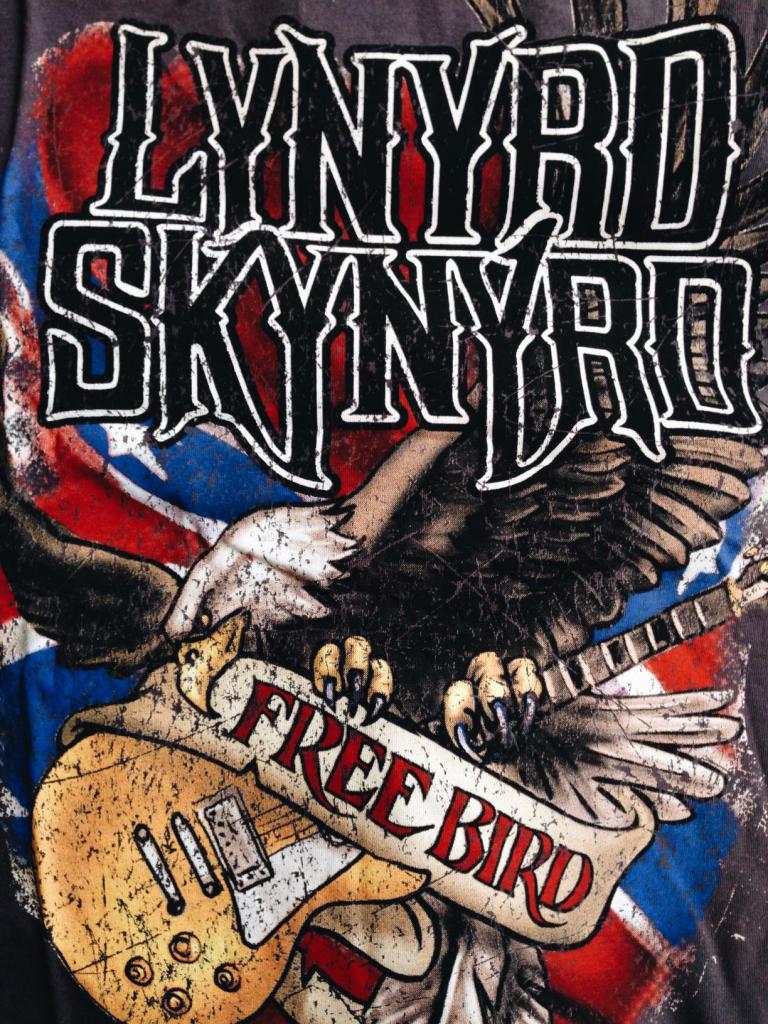
“What’s Your Name”, released in 1977 as part of their album “Street Survivors.” The song was written by Ronnie Van Zant, Gary Rossington, and Ed King. Like many of Lynyrd Skynyrd’s songs, “What’s Your Name” is a powerful Southern rock anthem with a catchy melody and a strong rhythm.
The meaning behind “What’s Your Name” revolves around a familiar rock ‘n roll theme – the excitement of meeting someone new and the thrill of a potential romantic encounter. The song captures the essence of a chance meeting at a party or a bar, where the narrator is instantly captivated by a mysterious and alluring stranger.
In the song, the narrator finds himself drawn to this intriguing individual and is eager to know more about them. The chorus of the song, “What’s your name, little girl? / What’s your name?” reflects the narrator’s curiosity and desire to connect on a deeper level. The repetitive question signifies his eagerness to know more about this person who has caught his attention.
The lyrics also convey a sense of spontaneity and living in the moment, a characteristic theme in many rock ‘n roll songs. The narrator is willing to set aside any doubts or reservations and fully embrace the potential romance that lies ahead. The lyrics, “You’re everywhere and nowhere, baby / That’s where you’re at,” emphasize the captivating and elusive nature of the person in question.
“What’s Your Name” exudes Lynyrd Skynyrd’s signature style, featuring their distinct Southern rock sound, highlighted by the spirited guitar work and Ronnie Van Zant’s soulful vocals. The song’s energy and catchiness have made it a fan favorite and a staple in the band’s live performances.
Overall, “What’s Your Name” embodies the spirit of youthful exuberance, the thrill of meeting someone new, and the excitement of a potential romantic connection. It’s a classic rock song that captures the essence of a moment in time, inviting listeners to embrace the spontaneity and adventure that life can offer.
“That Smell” is a powerful and gritty rock song by Lynyrd Skynyrd, released in 1977 on their album “Street Survivors.” The song was written by Ronnie Van Zant and guitarist Allen Collins, with Ronnie’s brother, Johnny Van Zant, providing vocals. “That Smell” stands out as a cautionary tale that addresses the dangers of excess, addiction, and the consequences of a self-destructive lifestyle.
The meaning behind “That Smell” is multi-faceted and draws from personal experiences within the band. At the time of writing the song, Lynyrd Skynyrd was grappling with the dark side of fame, the pressures of the music industry, and the temptations that often accompanied success.
The lyrics paint a vivid picture of the consequences of excessive drug and alcohol use. The opening lines, “Whiskey bottles and brand new cars / Oak tree, you’re in my way,” signify a life of indulgence and reckless behavior. The reference to the oak tree being in the way is symbolic of the barriers and obstacles that can stand in the path of self-destruction, yet the protagonist seems unwilling or unable to change course.
The chorus serves as a haunting warning, with lyrics like “Ooh, that smell / Can’t you smell that smell?” The “smell” alludes to the scent of drugs and alcohol, which can become all-consuming and destructive. The repetition of “Ooh, that smell” in the chorus reinforces the powerful allure and potentially deadly consequences of addiction.
As the song progresses, the lyrics continue to paint a bleak picture of a life spiraling out of control. The lines “The smell of death surrounds you” and “Now they call you Prince Charming” suggest that the protagonist’s self-destructive behavior has caught up with him, leading to a fall from grace and a loss of innocence.
“That Smell” is a cautionary tale with a clear message: the allure of a self-destructive lifestyle may be enticing, but it can lead to ruin and tragedy. The song serves as a reminder of the importance of making responsible choices, being mindful of one’s actions, and recognizing the potential consequences of indulging in harmful behaviors.
Tragically, “That Smell” took on an even more poignant meaning after the release of “Street Survivors.” On October 20, 1977, just three days after the album’s release, a plane crash claimed the lives of Ronnie Van Zant, Steve Gaines, Cassie Gaines, and several others associated with the band. This tragedy marked the end of an era for Lynyrd Skynyrd and further solidified the cautionary message of “That Smell.” In conclusion, “That Smell” is a haunting and powerful rock song that serves as a stark warning against the dangers of excess, addiction, and self-destructive behavior. Its poignant lyrics and raw energy continue to resonate with audiences, making it a significant part of Lynyrd Skynyrd’s musical legacy.
“Free Bird” is one of Lynyrd Skynyrd’s most iconic and beloved songs, considered a timeless classic in the rock music genre. The song was written by Ronnie Van Zant and Allen Collins and was released on their debut album “Pronounced ‘Lĕh-‘nérd ‘Skin-‘nérd” in 1973. “Free Bird” stands out for its epic length, powerful guitar solos, and emotional depth.
The Meaning of “Free Bird”: The lyrics of “Free Bird” evoke a profound sense of longing, freedom, and self-discovery. The song tells the story of a man who is torn between the desire for a committed relationship and the yearning for personal freedom and independence. The “free bird” symbolizes the protagonist’s longing for a life unbound by responsibilities and constraints.
The opening verses paint a picture of a restless soul, struggling with the complexities of life. The lines “If I leave here tomorrow / Would you still remember me?” convey the uncertainty of the protagonist’s path and his fear of being forgotten. The song’s iconic chorus, “And this bird you cannot change,” underscores the core theme of seeking personal freedom and embracing one’s individuality.
As the song unfolds, the emotional depth intensifies, with the protagonist wrestling with the idea of love and its potential limitations. The lyrics “And the bird you cannot change / And this bird you cannot change / Lord knows, I can’t change” express a sense of acceptance of one’s nature, even if it clashes with the expectations of others.
The instrumental section of “Free Bird” features some of the most celebrated guitar solos in rock history. Allen Collins and Gary Rossington’s legendary dual guitar harmonies elevate the song to new heights, showcasing their exceptional talent and synergy as musicians.
The extended guitar solos in “Free Bird” have become a defining element of the song, with live performances often extending the solo section to showcase the band’s prowess on stage. These performances allowed the band to connect with the audience on a deeper level, turning the song into an emotional and cathartic experience.
Writing “Free Bird”: The origins of “Free Bird” can be traced back to a jam session between Ronnie Van Zant and Allen Collins. The song’s famous opening guitar riff came about during a rehearsal when Collins was playing the chords to “Gimme Three Steps” backward. The band was immediately struck by the distinctive sound, which served as the foundation for what would become “Free Bird.”
As for the lyrics, Ronnie Van Zant penned them in a single afternoon, drawing inspiration from his personal experiences and reflections on life and relationships.
“Free Bird” is a timeless masterpiece that has become synonymous with Lynyrd Skynyrd’s legacy and Southern rock itself. Its emotional depth, epic guitar solos, and poignant lyrics have touched the hearts of millions of fans around the world. The song’s powerful message of seeking personal freedom and embracing individuality has resonated through generations, making “Free Bird” an enduring anthem that continues to inspire and captivate audiences to this day.
“Sweet Home Alabama” is one of Lynyrd Skynyrd’s most famous songs, released in 1974 as a response to Neil Young’s songs “Southern Man” and “Alabama,” which criticized the Southern United States and its history of racial discrimination. The song was written as a tribute to the state of Alabama and has become an anthem for the Southern pride and culture.
The lyrics of “Sweet Home Alabama” celebrate the beauty of the state, its people, and the Southern way of life. It embraces the sense of community and pride in being from Alabama. The song exudes a strong sense of identity and belonging, with references to landmarks and cities in the state, such as Muscle Shoals and Birmingham.
One of the most famous lines in the song is “In Birmingham, they love the governor” which refers to the then-Alabama Governor George Wallace. Wallace was a controversial figure known for his segregationist stance during the Civil Rights Movement. The song’s reference to him has sparked some debate over the years, with some interpreting it as supporting Wallace’s views, while others view it as merely acknowledging the political landscape of the time.
Overall, “Sweet Home Alabama” is a celebration of the South and its culture, with a defiant and proud spirit that resonates with many people. While the song carries a sense of regional pride, it’s essential to remember that art and music can be interpreted in various ways by different individuals, and its meaning may vary from person to person. The song’s popularity and enduring legacy continue to make it an iconic anthem for Southern rock and a cherished part of Lynyrd Skynyrd’s discography.
“Simple Man” is a heartfelt ballad by Lynyrd Skynyrd, released in 1973 as part of their debut album, “Pronounced ‘Lĕh-‘nérd ‘Skin-‘nérd.” The song was written by lead vocalist Ronnie Van Zant and guitarist Gary Rossington. It has since become one of the band’s most beloved and enduring tracks, resonating with listeners across generations.
The lyrics of “Simple Man” convey a powerful message of wisdom and guidance from a mother to her son. The song’s heartfelt and poignant advice encourages the son to embrace a humble and straightforward approach to life, focusing on the meaningful and simple things.
Throughout the song, the mother imparts valuable life lessons, urging her son to be patient, strong, and true to himself. She advises him not to seek material wealth or fame but to find contentment in the simple joys that life offers. The essence of the song lies in embracing humility, staying grounded, and appreciating the beauty of life’s natural simplicity.
The chorus of “Simple Man” beautifully encapsulates the mother’s wisdom:
“And be a simple kind of man. Be something you love and understand. Baby, be a simple kind of man. Oh, won’t you do this for me, son, If you can?”
The emotional delivery of the song, coupled with Ronnie Van Zant’s heartfelt vocals, adds depth and authenticity to the message, making it a touching and timeless ballad.
“Simple Man” has resonated with audiences around the world, not only for its musical brilliance but also for the universal themes of love, guidance, and humility. The song’s timeless message continues to touch the hearts of listeners, inspiring them to embrace a more straightforward and meaningful approach to life.
“Simple Man” is a beautiful and heartfelt song that imparts invaluable life advice from a mother’s perspective. Lynyrd Skynyrd’s timeless ballad has left a lasting impact on listeners, reminding us of the importance of staying true to ourselves and finding contentment in life’s simple pleasures. It remains a cherished and enduring part of Lynyrd Skynyrd’s legacy.
“Call Me the Breeze” is a song originally written and recorded by the influential singer-songwriter J.J. Cale in 1971. Lynyrd Skynyrd covered the song on their second studio album, “Second Helping,” released in 1974. The song has since become one of Lynyrd Skynyrd’s well-known tracks.
The lyrics of “Call Me the Breeze” have a carefree and laid-back vibe, reflecting the spirit of a free-spirited individual who embraces a wandering and nomadic lifestyle. The “breeze” in the song can be interpreted as a metaphor for a person who moves freely through life, not tied down by commitments or responsibilities.
The central theme of the song revolves around the desire for independence, freedom, and the pursuit of personal happiness. The protagonist enjoys life on the move, feeling unencumbered and unrestricted by any societal norms or expectations. The lyrics convey a sense of embracing spontaneity and living life at one’s own pace, not bound by rules or limitations.
The chorus of “Call Me the Breeze” encapsulates this carefree spirit:
“Oh, and I’ll be gone with the wind. Gone with the wind. And I’ll be gone-gone-gone.”
The song’s catchy melody and energetic rhythm complement the themes of freedom and exploration, creating an upbeat and enjoyable listening experience.
“Call Me the Breeze” celebrates the joy of living life on one’s own terms, without being confined by societal conventions. It embodies a sense of wanderlust and the thrill of embracing the unknown. The song’s timeless appeal and Lynyrd Skynyrd’s dynamic cover have made “Call Me the Breeze” a beloved part of their repertoire, resonating with fans who appreciate the carefree and adventurous spirit it exudes.
 Mike Gingalewski's Blog